Sustainable Digitalisation Research Centre
Our vision is to be the leading research environment for interdisciplinary research on sustainable digitalisation, e.g. by contributing knowledge and methods on how to realise digitalisation that is sustainable from a social, economic, ecological as well as technological perspective.
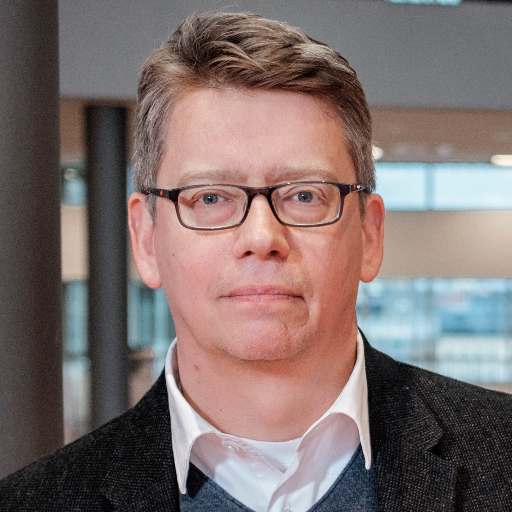
Paul Davidsson, Director
News and events
Two overarching research areas
Sustainability of digitalisation
Sustainability of digitalisation
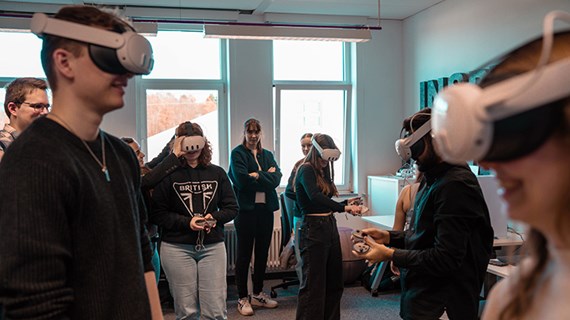
How can we harness the opportunities offered by digitalisation whilst taking into account key social factors such as trust and inclusion, and technological factors such as resource efficiency and reliability?
Five themes
Research is organised into five themes corresponding to key areas of digitalisation.
Health and well-being
The use of digital technologies to support all phases of healthcare, including preventive care and well-being. It can empower people to proactively engage with their health and manage their recovery from illness, but also to share data to improve outcomes and reduce inequalities.
Theme Leaders: Dario Salvi and Elisabeth Mangrio
Home and everyday living
This includes the use of digital technologies and the impact of digitalisation in everyday life. Homes are of particular interest as they are increasingly filled with internet-connected devices such as cameras, microphones and other sensors.
Theme Leaders: Andreas Jacobsson and Ulrika Sjöberg
Education and lifelong learning
The use of digital tools to facilitate lifelong learning in different contexts, including both professional and informal learning in different sectors of society.
Theme Leaders: Bahtijar Vogel and Lisa Björklund Boistrup
Transport and mobility
To move people and goods efficiently and safely. By using IoT and other digital technologies to plan transport, guide travellers and support autonomous actions, such as self-driving vehicles, we can achieve higher efficiency, improved traveller experience and comfort, reduced environmental impact and increased safety.
Theme Leaders: Kristofer Hansson and Jan Persson
Energy and buildings
Includes digital solutions to improve the production, distribution and consumption of energy, as well as to increase the safety and efficiency of buildings.
Theme Leaders: Reza Malekian and Per Linde
Researchers, Publications and Projects
We are always interested in new collaborations with academia and industry. Please contact our researchers if you have any questions.

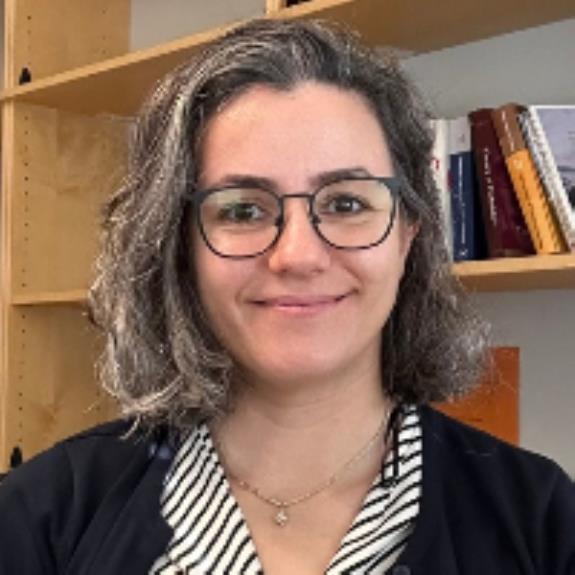



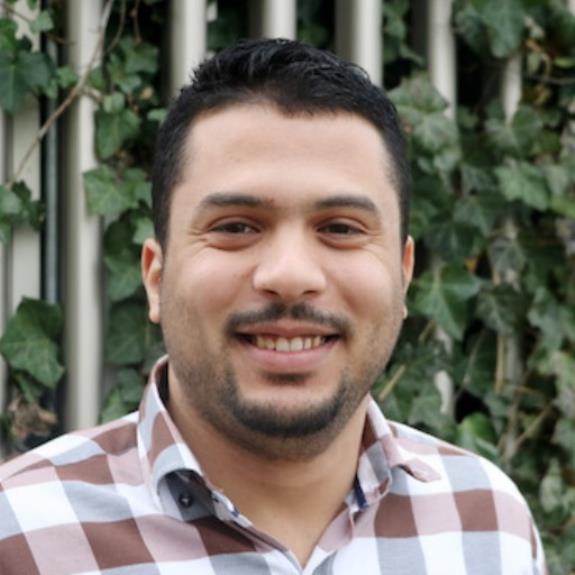


Christian Andersson


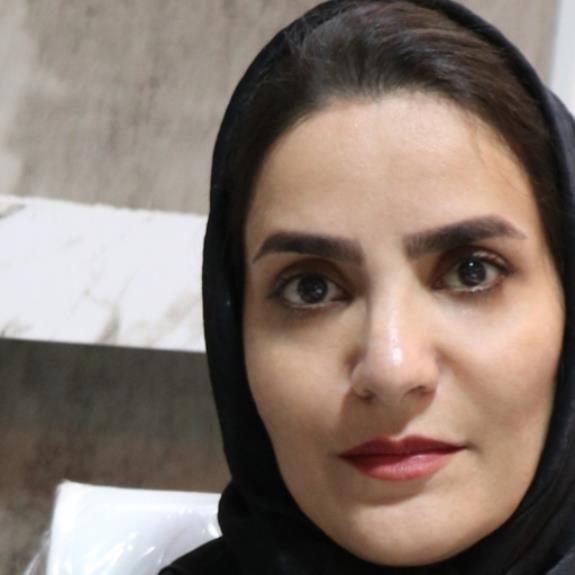


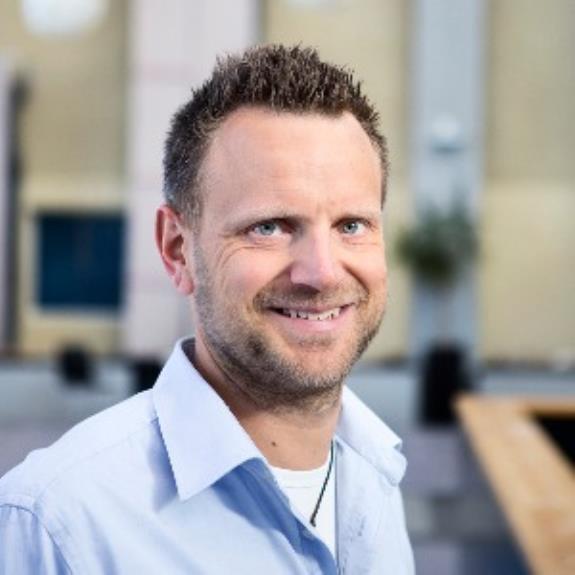
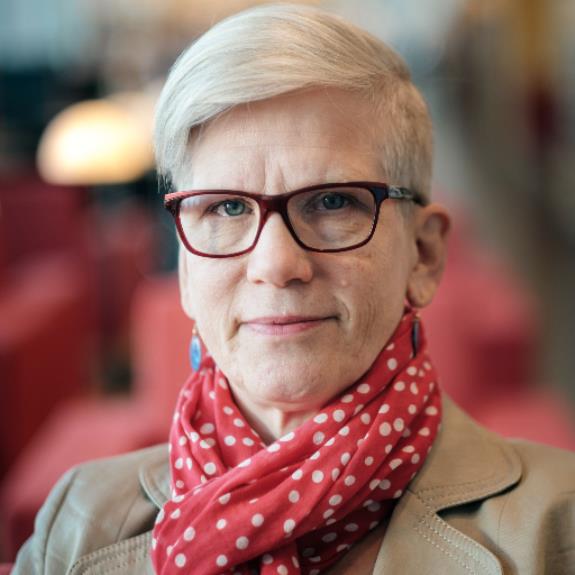
Lisa Björklund Boistrup


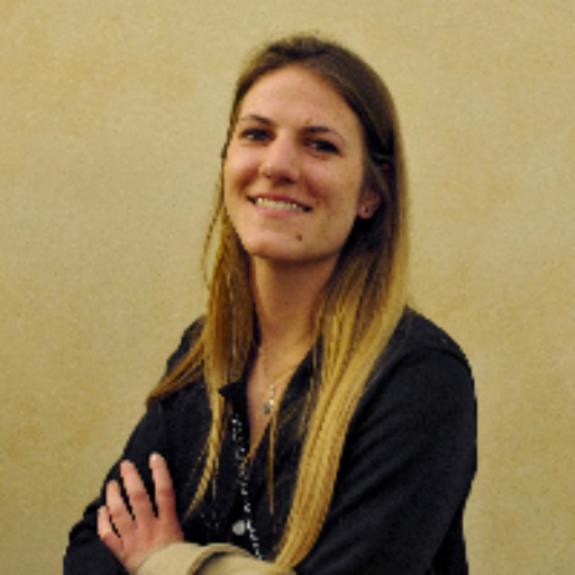




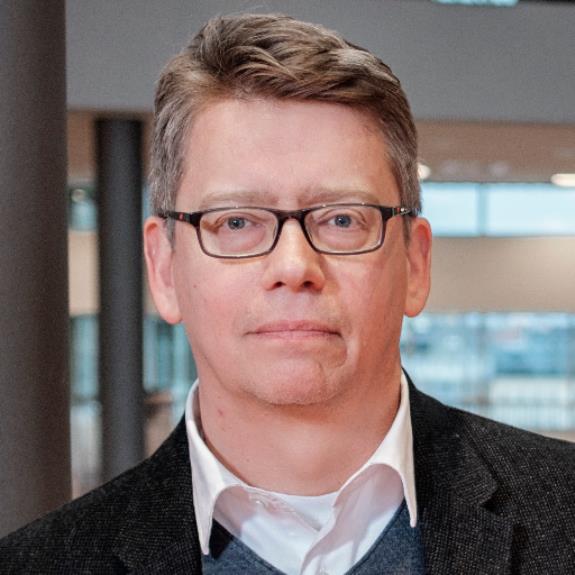
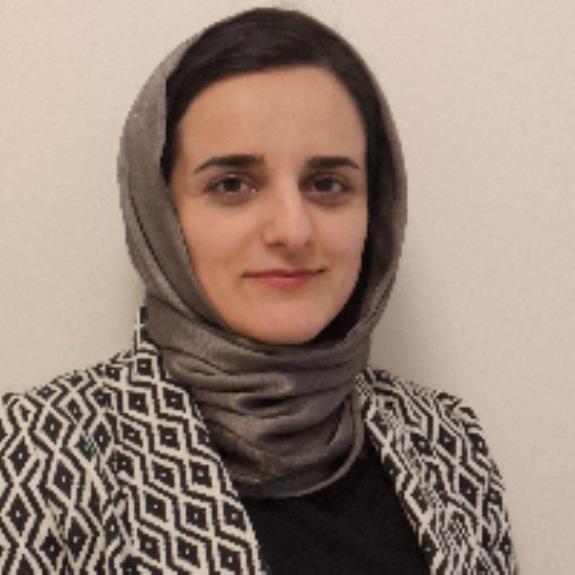





Petri Gudmundsson

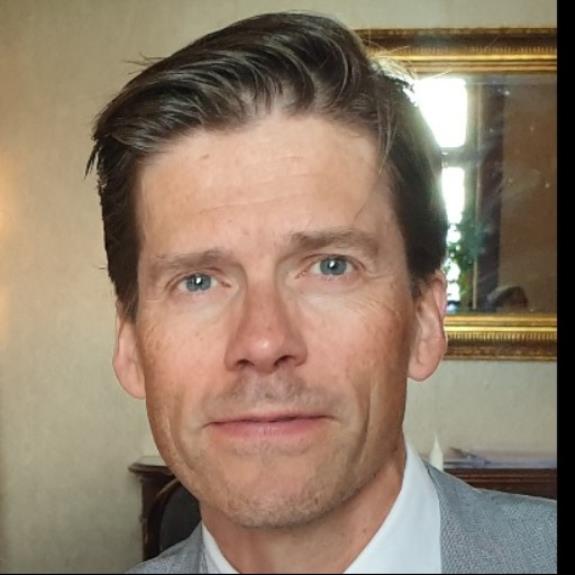



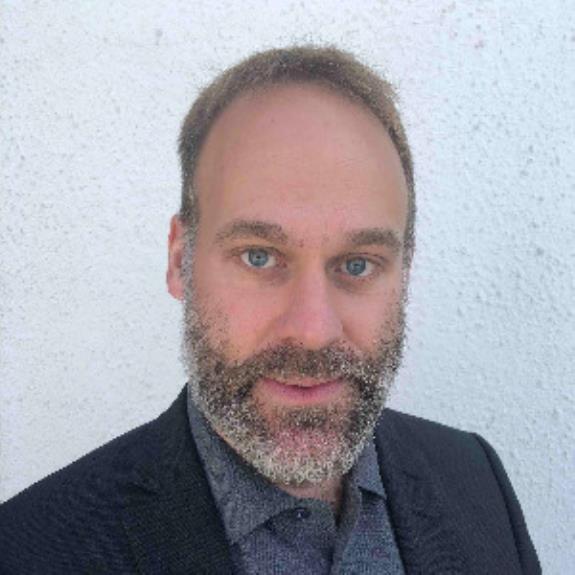


Andreas Jacobsson

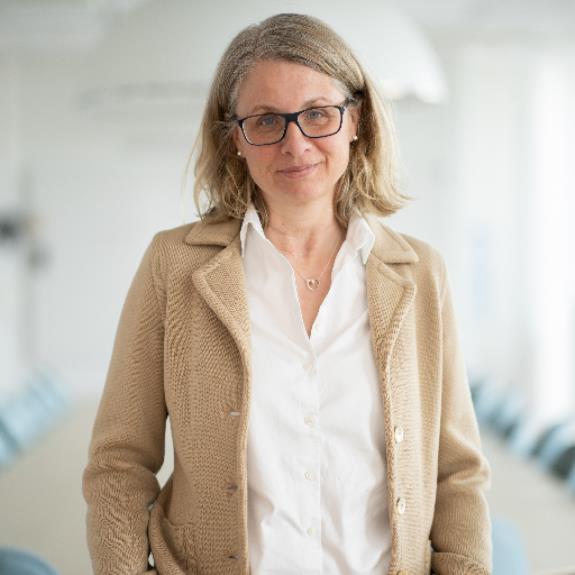
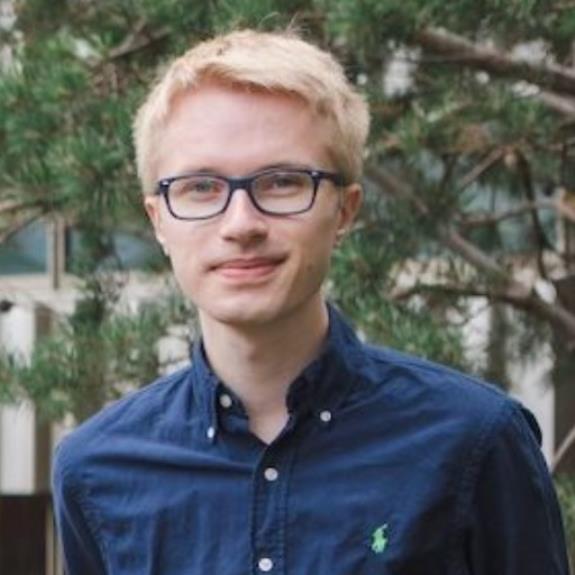





Carolina Martinez



Marie-Louise Möllerberg

Simon Niedenthal






Liselotte Paulsson
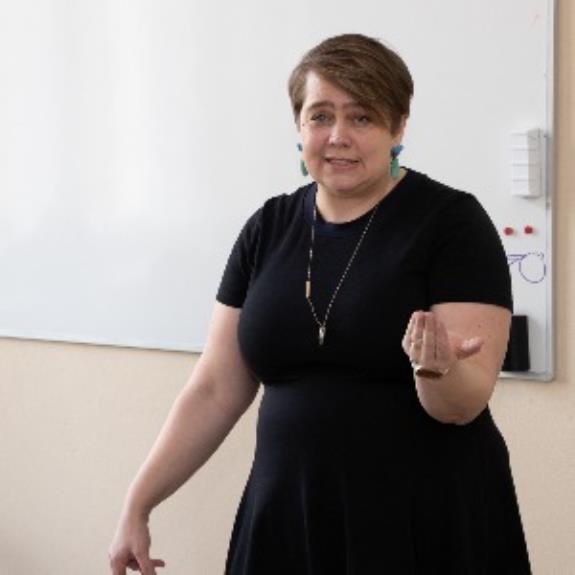
Pille Pruulmann Vengerfeldt



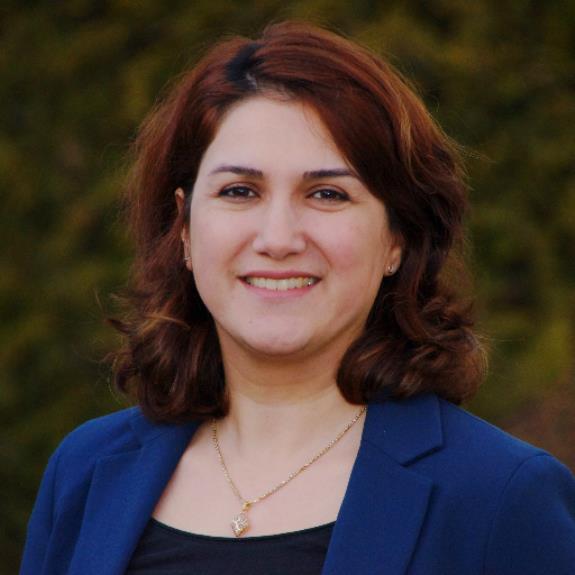
Arezoo Sarkheyli-Hägele


Maria Silwer








-
 Research project
HIVE – A Scenario Planning Tool for Energy-Efficient Mobility
-
Research project
Towards Repurposing LLMs as tools for embodied introspection
-
Research project
Network for AI literacy in STEM education: Opportunities and challenges
-
Research project
Educating for the Age of Agentic AI – Preparing Students for the Next Generation of Intelligent Systems
-
Research project
Data Spaces in Skåne
-
Research project
LLM-assisted travel behavior analysis for eldery mobility: New approach for decision support
-
Research project
Data Conversations
-
Research project
Human-robot collaborative learning for ultralight electric utility vehicles
-
Research project
Enhancing in vitro fertilization with environmental optimization using artificial intelligence (EIVF-AI)
-
Research project
Digital when possible, physical when necessary: An exploration of the digiphysical world of Ängelholm hospital
-
Research project
Feedback in digital learning tools – opportunities and barriers to learning mathematics for the diverse range of pupils in the maths...
-
Research project
EvacAware: Real-Time Intelligence for Coordinated Evacuations
-
Research project
DigIT Hub Sweden
-
Research project
Intelligent and Trustworthy IoT Systems
-
Research project | DOCTORAL PROJECT
Autonomous transport and connected vehicles
-
Research project
Realizing the Potential of Agent-Based Social Simulation
-
2026 | Article in journal
A Hybrid Interval Type-2 Fuzzy AHP (IT2F-AHP)–VIKOR–TOPSIS Framework for Environmental Performance Assessment of Helicopter Engines
Fatma Şahin, Gökhan Şahin, Ahmet Koç, Erdal Akin
-
2026 | Article in journal
Combination of agent-based social simulation models: An experimental evaluation using epidemic models
Emil Johansson, Fabian Lorig, Paul Davidsson
-
2026 | Conference paper
Real Time Exit Blockage Detection via Door-Centric Change Monitoring for Emergency Evacuation
Hamed Talebi, Nahid Angabini, Arezoo Sarkheyli-Hägele, Erdal Akin
-
2026 | Conference paper
Real-Time Indoor Obstacle-to-Exit Distance Measurement Using a Monocular Camera
Adam Pirkhdrie, Hamed Talebi, Azad Shokrollahi, Erdal Akin, Arezoo Sarkheyli-Hägele
-
2026 | Conference paper
Combating Intimate Partner Violence Through Emotion Detection in Smart Connected Homes
Kayode Sakariyah Adewole, Fazeleh Dehghani Ashkezari, Andreas Jacobsson
-
2026 | Article in journal
Pressure Control of Centrifugal Fan Using Softsign-PI Controller Tuned by Hybrid Starfish Optimization Algorithm with Differential Evolution
Cebrail Turkeri, Serdar Ekinci, Davut Izci, Dacheng Li, Erdal Akin
-
2026 | Article in journal
Predictive Energy and Exergy Assessment of Photovoltaic Systems Under Dynamic Environmental Conditions Using Machine Learning
Gökhan Şahin, Erdal Akin
-
2026 | Article in journal
The validity and reliability of the Swedish CancerSupportSource-Caregiver: a screening tool for psychological distress and support needs in clinical cancer care
Maria Samuelsson, Marie-Louise Möllerberg, Benjamin Maus, Carl Magnus Olsson, Jenny Jakobsson
-
2026 | Article in journal
Deep-Learning-Based Time-Series Forecasting of Hydrogen Production in a Membraneless Alkaline Water Electrolyzer: A Comparative Analysis of LSTM and GRU Models
Davut Sevim, Muhammed Yusuf Pilatin, Serdar Ekinci, Erdal Akin
-
2026 | Article in journal
A Biomimetic Gazelle Optimization Approach for Enhanced Temperature Regulation in Electric Furnaces
Davut Izci, Adil Ozcayci, Serdar Ekinci, Irfan Okten, Erdal Akin, Gokhan Yuksek, Ali Akdagli, Ali Yildiz, Filiz Karaomerlioglu
Seminars Spring 2026
The Sustainable Digitalisation Research Centre’s bi-weekly seminars bring together researchers, PhD students, and the wider community to discuss ongoing research, exchange ideas, and foster collaboration. Seminars are held in the Niagara building on Mondays from 15:30 to 16:30. Upcoming seminars include:
In the Head of a Reviewer with Mattias Esbjörnsson
January 19, 15:30-16:30
NIA0411, Niagara, Floor 4A
Parenting in screen-times with Magnus Johansson (PhD, Lund University)
February 2, 15:30-16:30
NIA0510, Niagara, Floor 5A
Creating inclusive environments for learners with diverse needs with Dipak Surie and Jens Ideland
March 2, 15:30-16:30
NIA0510, Niagara, Floor 5A
Multimodal Communication for Inclusive and Ethical Emergency Evacuations with Arezoo Sarkheyli-Hägele and Dipak Surie
March 16, 15:30-16:30
NIA0510, Niagara, Floor 5A
Seed Funding Results Workshop 1
March 30, 15:30-16:30
NIA0510, Niagara, Floor 5A
Seed Funding Results Workshop 2
April 13, 15:30-16:30
NIA0510, Niagara, Floor 5A
Digital Twins for Decarbonization: Project Highlights from the Smart Building Research Group @TMU with Jenn McArthur from Toronto Metropolitan University
April 20, 15:30-16:30
NIA0411, Niagara Floor 4A
AI – An Environmental Promise or a Problem? with Anna Bruun Månsson
May 11, 15:30-16:30
NIA0510, Niagara Floor 5A
Towards Inclusive Digital Futures: Embedding Disability Perspectives in Digital Sustainability with Kristofer Hansson
May 25, 15:30-16:30
NIA0510, Niagara Floor 5A
How Games Can Be Designed to Be Engaging and Motivate Learning with Thomas Bjørner, Head of Media Innovation & Game Research, Aalborg University
June 8, 15:30-16:30
NIA0510, Niagara Floor 5A
Seminars Autumn 2025
- “AI and Public Sector Organisations” by Frans af Malmborg, Lecturer, Faculty of Health and Society
October 20th 15:30-16:30
NIA0611, Niagara, Floor 6. - “Improving Quality Using AI: An Intelligent Defect Detection for Manufacturing" by Romina Spalazzese, Associate Professor, Faculty of Technology and Society
November 3, 15:30-16:30
NIA0510, Niagara, Floor 5A - “The Digital Backlash” by Carolina Martinez, Associate Professor/Senior lecturer, Faculty of Education and Society
November 17, 15:30-16.30
NIA0611, Niagara, Floor 6. - “Digitalisation and democracy” by Tobias Olsson, Professor, Faculty of Education and Society
December 1, 15:30-16:30
NIA0411, Niagara, Floor 4A
Organisation
Advisory board
-
Johan Eker – Chair
Senior Researcher; Professor,
Ericsson; Lund Institute of Technology
-
Mattias Esbjörnsson
Senior Research Project Manager
RISE – Research Institutes of Sweden
-
Anna Stankovski Clark
Head of Digitalisation
Trivector Traffic
-
Maria Stellinger Ernblad
Director of Digitalisation
City of Helsingborg
-
Tobias Olsson
Dean, Faculty of Learning and Society
Malmö University
Management group
-

Paul Davidsson – Professor
paul.davidsson@mau.se
-

Kristofer Hansson – Senior lecturer/Assistant head of dep.
kristofer.hansson@mau.se
-

Carl Magnus Olsson – Associate Professor
carl.magnus.olsson@mau.se
-

Romina Spalazzese – Associate Professor/Program director
romina.spalazzese@mau.se
-

Carolina Martinez – Associate Professor/Senior lecturer
carolina.martinez@mau.se
-

Andreas Jacobsson – Associate Professor /Associate Professor/Deputy vice-chancellor
prorektor@mau.se
-

Ulrika Sjöberg – Professor
ulrika.sjoberg@mau.se
-

Bahtijar Vogel – Head of department/Senior lecturer/Associate Professor
bahtijar.vogel@mau.se
-

Lisa Björklund Boistrup – Professor
lisa.bjorklund.boistrup@mau.se
-

Dario Salvi – Associate Professor/Senior lecturer
dario.salvi@mau.se
-

Elisabeth Mangrio – Associate Professor/Senior lecturer
elisabeth.mangrio@mau.se
-

Jan Persson – Senior lecturer/Associate Professor
jan.a.persson@mau.se
-

Per Linde – Senior lecturer
per.linde@mau.se
-

Reza Malekian – Professor
reza.malekian@mau.se